Snapper Fishing Port Phillip Bay -- Conditions, Best Times & Spots
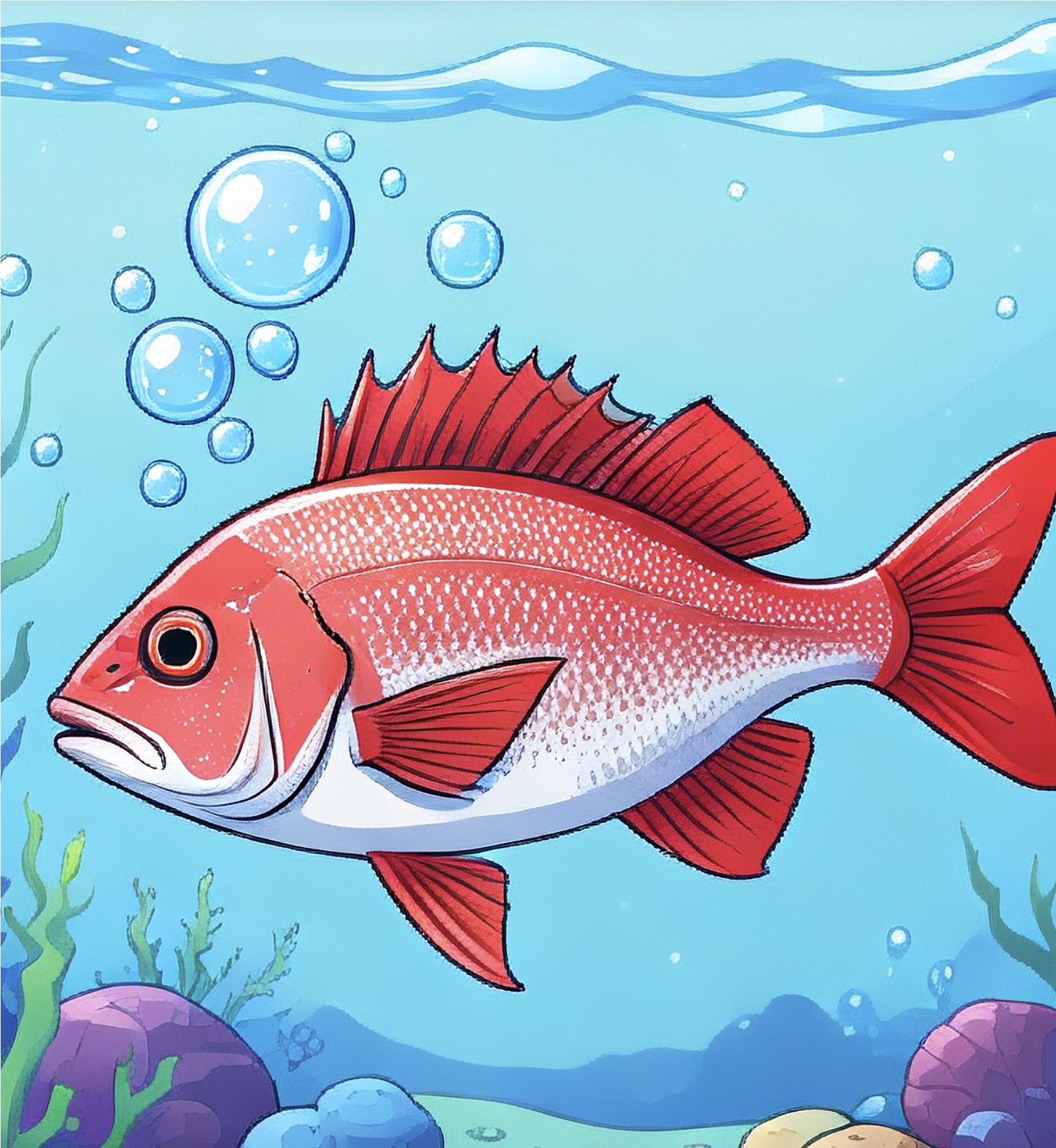
Snapper is the prestige species of Port Phillip Bay. Every Victorian angler who has spent time on the bay has either caught one, lost one, or spent an entire session waiting for one. The difference between a five-fish session and a blank is rarely about bait selection or rig design -- it is almost always about conditions.
Water temperature, tide state, wind direction, barometric pressure, and the size of the tide all influence whether snapper are actively feeding or sitting on the bottom doing nothing.
This guide breaks down the conditions that produce snapper in Port Phillip Bay so you can time your sessions around the variables that actually matter.
When Is Snapper Season?
There is no fixed snapper season in Port Phillip Bay, and the evidence on exact months is unsettled. Water temperature runs it. Victorian Fisheries Authority tagging found snapper come into the bay when the water reaches about 15 degrees Celsius and are largely absent below about 13, so the dates move from year to year.
Treat any calendar of peaks as a guide. Check the water temperature and the conditions on the day.
How Snapper Move Into Port Phillip Bay
Port Phillip is a big bay connected to Bass Strait through the narrow entrance at the Heads. The first migrating snapper must pass through Port Phillip Heads before spreading through the bay, and they do it fast. Tracking by the Victorian Fisheries Authority followed 85 adult and 57 juvenile snapper with acoustic tags between 2011 and 2015. Adults commonly moved up to 10 kilometres in a 24-hour period, and some fish crossed the whole bay from north to south in a single day, covering 40 to 50 kilometres.
The movement follows a recognisable spring progression. Most snapper arrived through the Heads as bay water reached about 15 degrees Celsius. Once inside, they spread from the entrance along the southern and eastern shores, then through the central bay and farther north before the major spring feeding and spawning activity peaks. The VFA names Lonsdale Bight as a reliable early-season spring area, and within days of fish appearing there, snapper are caught farther along the eastern seaboard.
The practical lesson for anglers is simple: do not chase the exact report. A catch report from one southern location tells you the migration has begun, not that the fish are still sitting on that exact mark. Yesterday’s mark is not tomorrow’s mark. Follow the season south to north, or wait until fish are consistent on your own grounds.
The trigger for the run is water temperature. Snapper come into the bay as the water warms to about 15 degrees Celsius, and are largely absent below about 13. The calendar date moves with the water.
The Conditions That Matter
Water Temperature
Water temperature is the single strongest predictor of snapper activity in Port Phillip Bay. The optimal range is 15 to 19 degrees Celsius. Below about 13 degrees, snapper are largely absent. Above 19 degrees -- typically from early January -- the bite slows significantly as fish move to deeper, cooler water during the day and feed only at night.
The sweet spot is 16 to 18 degrees: warm enough to trigger aggressive feeding, cool enough that fish remain active through daylight hours. When Get A Nibble shows water temperature in this range at your chosen spot, prioritise that session.
Tides
The two-hour window on either side of a tide change is the most consistently productive period for snapper across the entire bay. Within that window, the incoming tide -- particularly the last two hours of the run-in -- is generally strongest. Warmer ocean water flowing into the bay through the Heads triggers feeding, especially at spots closer to the entrance.
Port Phillip Bay has a tidal quirk that sets it apart from Western Port: some anglers prefer the weaker neap tides in Port Phillip Bay. The reason is tidal flow strength. Full and new moons produce the largest tidal range and strongest currents. In the relatively enclosed, shallow waters of Port Phillip Bay, that strong current can make it difficult for baits to sit naturally on the bottom. Quarter moons produce gentler tidal flow, so rigs hold position more easily. That is a tackle call, so check the tide as well as the moon. The tide reading shows the spring and neap range for each day.
This is the opposite of Western Port, where many anglers fish the strong full-moon tides through the narrow entrance channels for snapper. Do not apply Western Port tidal logic to Port Phillip Bay sessions.
Wind Direction
Wind direction is arguably more important than wind strength for snapper in Port Phillip Bay. The key insight is counterintuitive: westerly and south-westerly winds between 15 and 35 km/h are excellent for snapper. These winds push baitfish against structure on the eastern side of the bay and stir up the water column, giving snapper the confidence to feed in shallower water. Some of the best land-based snapper sessions happen in conditions that look miserable from shore.
Conversely, easterly winds tend to shut down the bite. If the forecast shows strong easterlies, particularly east-south-east, consider postponing your trip or fishing the western side of the bay where the wind is offshore and water remains calmer.
Calm conditions are not necessarily good. Snapper are ambush predators -- they prefer some water movement and turbidity to provide cover. A dead-flat bay under high pressure can produce very slow fishing, especially at exposed spots.
Barometric Pressure
Barometric pressure has a measurable effect on snapper feeding behaviour, though it is best used as a supporting indicator rather than a primary decision-maker:
- Rising pressure: Generally positive. Fish become more active as pressure climbs after a front has passed. The first settled day after a cold front is often excellent.
- Stable high pressure: Consistent fishing when combined with favourable wind and tide. Not as explosive as a rising barometer, but reliable.
- Falling pressure: Can trigger a short, intense feeding window in the hours before a front arrives. If you catch the falling window, fish it hard -- it will not last.
- Rapidly falling pressure: Usually means a front is close. No study has shown snapper shut down as the barometer drops, so let the wind and swell the front brings decide whether you go.
Moon Phase
The moon sets the size of the tides. Spring tides around the new and full moon move more water through the bay than the neap tides between them, so check the tide range as well as the tide time.
Many land-based anglers in Port Phillip Bay prefer the neap tides, because the weaker current lets a bait sit on the bottom. As noted above, that is a tackle call, so check the tide as well as the moon. The tide reading shows the spring and neap range for each day.
Best Land-Based Spots
Port Phillip Bay is one of Australia’s best land-based snapper fisheries. The following spots consistently produce fish during the season, each with different character:
- Mornington Pier: The premier pier for shore-based snapper on the eastern bay. Deep water close to structure, strong tidal flow, and proximity to the Heads means earlier season fish. Peak: when the bay is warm. Best in rough westerly conditions.
- Mt Martha Rocks: Rock-based platform fishing with access to deeper water. Produces larger fish than most piers. Requires careful footing and is best fished at lower tide stages. Peak: when the bay is warm.
- Mordialloc Pier: One of the top snapper piers in the bay. Deep water at the pier end, sheltered from westerlies, and consistently productive from October through April. Good night fishing for larger specimens.
- St Kilda Pier: Accessible from the CBD, with reliable pinkie snapper once the water warms and larger fish during the warm months. The breakwater extension offers deeper water and better tide exposure.
- Altona Pier: The artificial reef near the pier end concentrates baitfish and draws snapper in the warmer months. Best on the incoming tide with clean water.
- Brighton Breakwater: Rock-wall fishing with good depth. Produces quality snapper in rough westerly conditions when fish push into the shallows. Exposed and uncomfortable to fish in the conditions that produce best, but rewarding.
- Beaumaris Bay Jetty: Smaller structure but sits over productive reef. Good for pinkies and occasional larger fish. Less crowded than the bigger piers during peak season.
Get A Nibble covers all of these spots, and the rest of its Port Phillip Bay spots, with snapper conditions in real time. Instead of checking tide charts, wind forecasts, water temperature, and pressure readings across five different websites, the app puts all of these side by side for each spot, so you can compare the conditions before you go.
Time of Day
Dawn and dusk are the highest-percentage windows for snapper across all spots in Port Phillip Bay. Having your bait in the water before first light -- not at first light, before it -- is the single most impactful timing decision you can make. The pre-dawn bite can be explosive and often shuts down within 30 minutes of full light.
Dusk produces a second reliable window, particularly for squid fishers transitioning to snapper after a late-afternoon eging session. The period from 30 minutes before sunset through to two hours after dark is consistently productive.
During the warm peak of the run, morning sessions tend to outperform evenings early on, with the afternoon bite improving as the water gets warmer. Night fishing is underrated for snapper in Port Phillip Bay -- larger fish feed more confidently after dark, and pier lighting draws baitfish that in turn attract snapper. A headlamp, warm clothing, and a reliable rod holder are essential for night sessions.
Gear and Bait
Land-Based Setup
Shore-based snapper fishing requires gear that can cast distance, handle structure, and subdue a powerful fish from an elevated position:
- Rod: 7-9 ft medium-heavy spin rod, capable of casting 30 to 60 grams
- Reel: 3000-4000 size spinning reel with a smooth drag
- Line: 10-15 lb braid main line
- Leader: 20-30 lb fluorocarbon, 1.5 to 2 metres (snapper are leader-shy in clear water)
- Rig: Running sinker (most versatile) or paternoster (better in current)
- Hooks: Size 2/0 to 4/0 octopus or circle hooks
- Sinker: 1 to 3 oz depending on current strength
Best Baits
Fresh bait outperforms frozen bait by a significant margin for snapper. If you can only bring one bait type, bring fresh pilchards:
- Pilchards: The #1 snapper bait in Port Phillip Bay. Whole (for casting distance and durability) or butterflied (for scent trail). Fresh from the bait shop on the day of fishing, not frozen.
- Squid/calamari strips: Tough, durable, and effective. Good as a backup when pilchards run out or for tipping soft plastics.
- Soft plastics: 4-5 inch paddle-tail or curl-tail grubs on 1/4 to 1/2 oz jig heads. Motor oil, pearl white, and natural prawn colours. Work the bottom with slow hops. Effective at all the pier spots listed above.
- Live bait: If you can source live squid, pike, or mullet, they are devastating for large snapper from piers after dark.
Regulations
These were the Victorian snapper rules as written, April 2026. Rules change, so check the Victorian Fisheries Authority recreational fishing guide before you keep a fish:
- Minimum size: 28 cm
- Bag limit: 10 per person per day
- Size restriction: Of the 10 fish, no more than 3 may be 40 cm or larger
- Applies to: Both Port Phillip Bay and Western Port
A current Victorian recreational fishing licence is required unless a Victorian Fisheries Authority exemption applies.
Reading Conditions with Get A Nibble
The challenge with snapper fishing is that the optimal conditions involve multiple variables interacting simultaneously. A perfect tide window means nothing if the water temperature is too cold. Dawn at a great spot is a blank if the wind is blowing the wrong way.
Get A Nibble puts water temperature, tide, wind, air pressure, swell and moon for each spot on one screen, with the hours ahead laid out so you can compare them before you go.
Instead of guessing, check the conditions before you go.
Check snapper conditions across Port Phillip Bay right now
See today’s conditionsOr see the snapper conditions at every Port Phillip Bay spot this week.
Frequently Asked Questions
When is snapper season in Port Phillip Bay?
There is no fixed snapper season in Port Phillip Bay, and the evidence on exact months is unsettled. Water temperature runs it. Victorian Fisheries Authority tagging found snapper come into the bay when the water reaches about 15°C and are largely absent below about 13°C, so the dates move from year to year.
Where do snapper first appear in Port Phillip Bay each spring?
Snapper come into Port Phillip Bay through the Heads as the water warms to about 15 degrees Celsius, and are largely absent below about 13. The VFA names Lonsdale Bight as a reliable early-season spring hotspot, and within days of fish appearing there, snapper are caught farther along the eastern seaboard. From there the fish push along the eastern and western shores, then through the central bay and farther north as spring progresses. Because they move up to 10 kilometres in 24 hours, early reports are a migration signal, not a reason to chase the exact mark.
What water temperature is best for snapper in Port Phillip Bay?
The optimal water temperature range for snapper in Port Phillip Bay is 15 to 19 degrees Celsius. Feeding activity increases significantly once temperatures reach 15 to 16 degrees in spring. The peak bite window is between 16 and 18 degrees. Above 19 degrees, snapper become harder to catch as they move to deeper, cooler water during the day.
What tide is best for snapper in Port Phillip Bay?
The incoming tide is generally the best for snapper, particularly the last two hours of the run-in. Warmer ocean water entering the bay triggers feeding activity. The two-hour window on either side of any tide change is productive. Many land-based anglers in Port Phillip Bay prefer the neap tides, because the weaker current lets a bait sit on the bottom. That is a tackle call, so check the tide as well as the moon. The tide reading shows the spring and neap range for each day.
Can you catch snapper from shore in Port Phillip Bay?
Yes -- Port Phillip Bay is one of Australia’s best land-based snapper fisheries. The best shore-based spots include Mornington Pier, Mt Martha rocks, Mordialloc Pier, St Kilda Pier, Brighton breakwater, and Beaumaris Bay jetty. There is no fixed peak for shore-based snapper: the best fishing comes when pre-spawn fish move into shallower water as the bay warms. Rough westerly conditions actually push big snapper closer to the eastern shore, making shore fishing more productive in conditions that look unfavourable.
What is the bag limit for snapper in Victoria?
The Victorian bag limit for snapper is 10 fish per person per day, with a minimum legal size of 28 centimetres. Of the 10 fish, no more than three may be 40 centimetres or larger. These regulations apply to both Port Phillip Bay and Western Port. These were the rules as written, April 2026; check the Victorian Fisheries Authority for the current limits.
Live fishing conditions for spots across Victoria, New South Wales and Tasmania
Explore All SpotsRelated reading: Squid.