St Kilda Pier Fishing Guide -- Species, Tides & Best Times
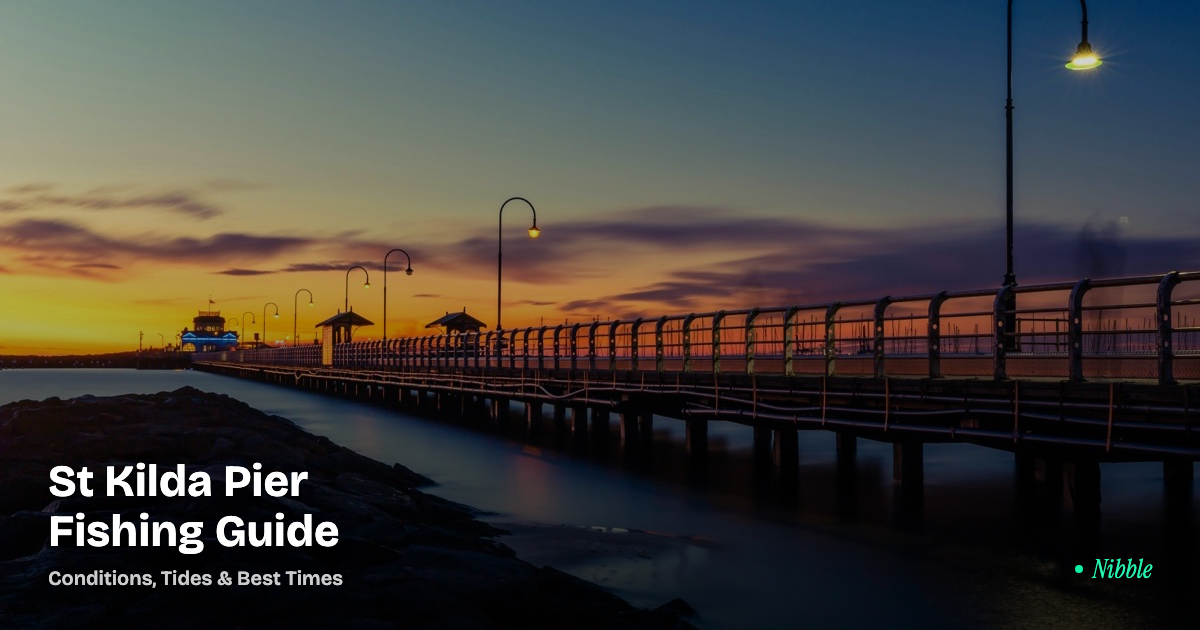
St Kilda Pier sits at the end of Fitzroy Street and stretches out into Port Phillip Bay -- one of Melbourne’s most recognisable landmarks and, for local anglers, one of its most convenient land-based fishing platforms. The pier’s origins date to the 1850s and it has been rebuilt and extended over the decades.
What matters to fishers is what it delivers: deep water access, proximity to productive bay grounds, and the ability to fish year-round without a boat.
The pier draws a wide crowd -- tourists, families, cyclists, and serious anglers all share the same stretch of timber. The kiosk at the end, and the penguin colony sheltering in the breakwater, make this a genuinely Melbourne experience. But look past the weekend foot traffic and there is a real fishery here, one that rewards those who understand the tides, the seasons, and the specific conditions that switch the bite on.
Species You Can Catch at St Kilda Pier
Southern Calamari Squid
Squid are the standout species at St Kilda Pier and the reason most serious anglers make the trip. Southern calamari are present year-round in Port Phillip Bay, but the pier gives you elevated access over clean water -- a significant advantage when throwing egi. Early morning sessions from before first light through to an hour after sunrise are the most consistent producers. The lower light levels and calmer surface keep squid active in the water column where they are reachable. For a full breakdown of techniques and timing, see the Port Phillip Bay squid fishing guide.
Snapper
Snapper are the bay’s prestige species and St Kilda Pier sits within range of their spawning grounds. Land-based snapper fishing from this pier is at its best while the water is warm. Incoming tides pushing baitfish and nutrients along the pier structure are the trigger -- fish the run-in tide after dark for the best chance at a legal fish. Pilchards on a running sinker rig are the standard approach; fresh bait consistently outperforms frozen.
Australian Salmon
Salmon school through the bay in the cooler months -- roughly March through July -- chasing baitfish in formation. When a school moves through, the action can be intense and fast. Cast metal slugs or soft plastics into the school and work them back quickly. Salmon are strong fighters on light gear and a reliable target when snapper are off the bite.
Flathead
Flathead sit in ambush in the sandy margins around the pier base and along the approaches. They are a reliable target on soft plastics worked slowly along the bottom. Sand flathead are common; dusky flathead less so this far into the bay. Check current size and bag limits before you fish -- Victorian regulations apply.
Snook and Pike
Long-tom snook and pike are present year-round and are entertaining targets on small hard-bodies and soft plastics fished near the surface. They are not large fish but they are aggressive and willing, making them good sport on light spinning gear when other species are quiet.
Garfish
Garfish school under the pier lights at night and are a consistent and enjoyable target on float rigs baited with bread dough or small pieces of prawn. They are good table fish and a favourite for anglers introducing younger family members to pier fishing. Schools can be dense when conditions are right.
Mullet
Mullet cruise the pier margins in numbers. They can be selective feeders but respond well to berley trails and small baits -- bread, prawn, or worm fished on light line and a small hook. Not a glamour species, but always around and reliable for a bend in the rod.
Reading Conditions at St Kilda Pier
Wind Direction
Wind is the single biggest variable at St Kilda Pier. A northerly or north-easterly keeps the water clean and settled -- ideal for squid and snapper. A strong south-westerly is the session killer: it pushes churned, coloured water into the bay and drops water clarity significantly. Squid in particular shut down when visibility deteriorates. If the Bureau is forecasting a strong south-westerly, consider Altona Pier on the western side of the bay, which is more sheltered from those conditions.
Tides
Tide changes are the engine of the bite at St Kilda. The two hours either side of a low or high tide -- particularly the run-in -- push baitfish and nutrients along the pier structure and activate feeding behaviour. A slack tide with no current can be very quiet. For the full breakdown of which species prefer which tide phase, see our Victorian fishing tides guide. Check the tide chart before you go and plan your arrival to coincide with the change rather than the peak.
Water Clarity
Clarity matters most for squid, which hunt by sight. After wind events or heavy rain that stirs up bay sediment, give the water a day or two to settle before making the squid trip. Snapper and salmon are less sensitive to clarity but still prefer cleaner water.
Best Times to Fish
- Squid -- Dawn patrol: Arrive before first light, fish through sunrise. This is the most reliable squid window at any Port Phillip Bay pier.
- Snapper -- Warm evenings: incoming tide after dark. Patience and fresh bait are the key inputs.
- Salmon -- Autumn mornings: March to May, active schools, metal lures.
- Garfish -- After dark: Year-round under the pier lights, float rig, light berley.
- General -- Tide changes: Any species, any season. The change from the run-out to the run-in is usually the most productive window.
Get A Nibble brings together the tides, wind, water temperature, swell and moon phase at St Kilda Pier. Explore the forecast alongside the conditions that tend to suit your species, then decide when you want to fish.
Gear for St Kilda Pier
Light Spinning Setup
A 7-foot light spinning rod paired with a 2000 to 2500 size reel covers most situations at St Kilda. Spool with 6-8lb braid and a 10-12lb fluorocarbon leader. This setup handles squid, garfish, snook, flathead, and salmon without being over-gunned for the smaller species or too light for a decent salmon or snapper run.
Squid Gear
A dedicated egi rod -- typically 8 to 8.6 foot rated for 2.0 to 3.5 size egi -- gives you the casting distance and tip sensitivity to feel squid engagements. Egi size 2.5 to 3.0 covers the range of squid you are likely to encounter. Natural and chart colours work well in clear water; pink and orange in lower light or slightly coloured water. Work the egi with a double jerk -- pause -- double jerk rhythm and let it sink fully between movements.
Bait Fishing
For snapper and salmon, pilchards are the go-to. Fresh is always better than frozen. Mussels, prawns, and squid tentacles also work well. For garfish and mullet, bread dough and small prawn pieces on light float rigs are effective.
Getting to St Kilda Pier
The pier is at the end of Fitzroy Street, St Kilda -- one of Melbourne’s most accessible landmarks. Tram routes 3 and 16 service St Kilda with stops within a 5 to 10 minute walk of the pier entrance, making it feasible to arrive by public transport, which is worth considering on weekend mornings when parking is competitive. The car park on the foreshore fills quickly on sunny weekends; arriving before 6am for a dawn squid session usually means no issues. The pier is lit after dark, making it accessible for evening and night sessions without needing a torch for the walk out.
Like nearby Altona Pier to the west and Mordialloc Pier on the eastern side of the bay, St Kilda Pier is a year-round fishery with no boat required. The difference is the access -- tram-accessible, lit, with a kiosk for coffee -- which makes it the most convenient starting point for Melbourne anglers fishing before or after work.
The pier is busiest between 9am and 4pm on weekends. For serious fishing, aim for first light or the last two hours before dark. You will have more space and a more active bite window.
See what’s biting at St Kilda Pier right now
Check St Kilda Pier ConditionsFishing for snapper? See the snapper conditions at every Port Phillip Bay spot this week.
Frequently Asked Questions
What can you catch at St Kilda Pier?
St Kilda Pier holds a solid variety of species. Southern calamari squid are caught year-round, with dawn and dusk sessions most productive. Snapper move through on the warm-water spawning run, once the bay passes about 15 degrees Celsius. Australian salmon school through in autumn and winter. Flathead sit in the sandy margins off the pier. Snook, garfish, and mullet are reliable year-round catches from the pier deck.
Is St Kilda Pier good for fishing?
Yes -- St Kilda Pier is one of Melbourne’s most accessible and productive land-based fishing spots. The combination of deep water at the pier end, surrounding sandy flats, and proximity to the bay’s squid and snapper grounds makes it genuinely fishable. It is busier than suburban piers, particularly on weekends, but serious anglers fishing early morning or around tide changes consistently find fish.
When is the best time to fish St Kilda Pier?
The most productive windows are the two hours either side of a tide change, particularly the run-in tide, and the low-light periods at dawn and dusk. For squid, first light is the prime session. For snapper, the strongest action comes as the water warms past about 15 degrees Celsius. Autumn -- March to May -- is best for Australian salmon. Avoid sessions during strong south-westerly winds, which churn up the water and kill visibility.
Can you fish at night at St Kilda Pier?
Yes -- St Kilda Pier is lit and accessible after dark, making it one of the few Melbourne piers where night fishing is genuinely practical. The pier lights attract baitfish, which in turn draws garfish, mullet, squid, and occasionally snapper. The change from evening to full dark is often the most active window. Check current Parks Victoria rules for any seasonal restrictions.
Is there bait and tackle near St Kilda Pier?
The closest tackle options are in the St Kilda and Port Melbourne area. It is worth calling ahead to confirm stock before heading out, as smaller stores can sell out of fresh bait on busy weekends. Supermarkets nearby stock frozen prawns as a reliable backup bait for mullet and garfish. For egi and light lures, plan ahead and purchase before arriving.
Live fishing conditions for spots across Victoria, New South Wales and Tasmania
Explore All Spots