Werribee Pier Fishing Guide -- Best Times, Tides & Conditions
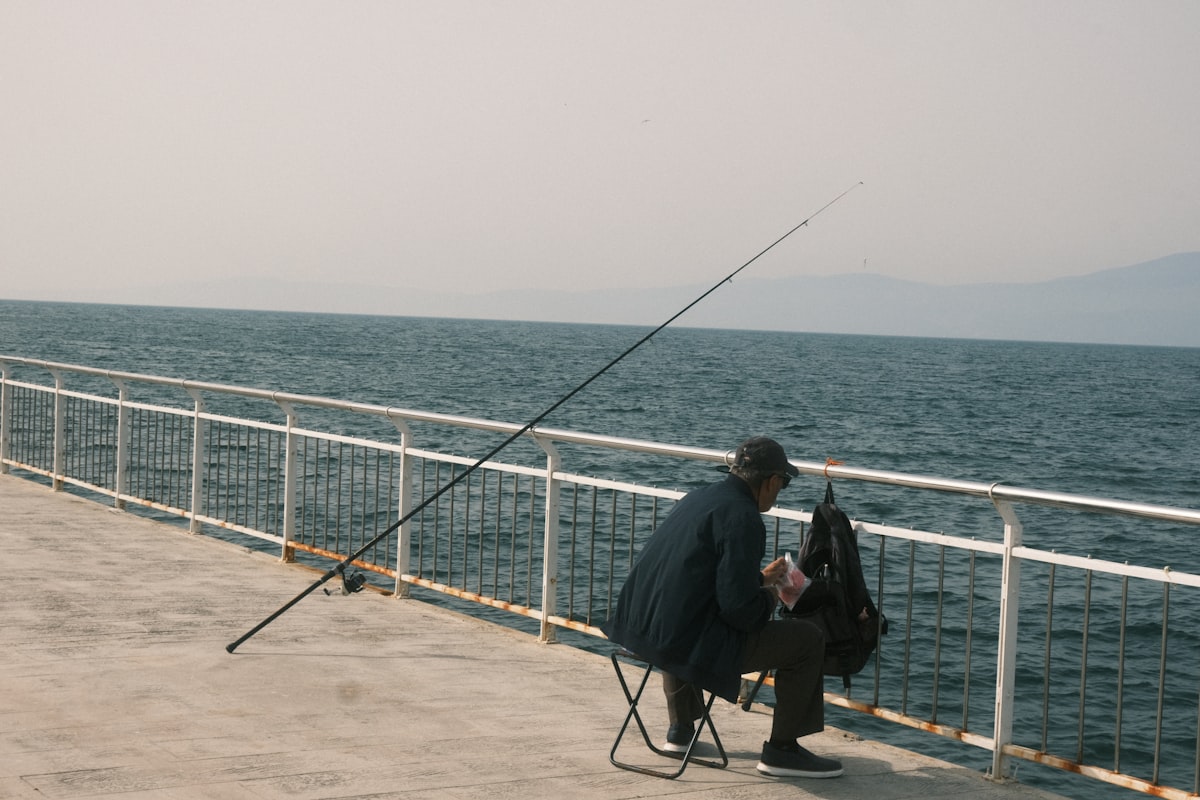
Werribee South Pier sits at the mouth of the Werribee River, where the estuary meets the northern shore of Port Phillip Bay. It is not a deep-water bay pier like Altona or St Kilda -- it is an estuary pier, and that distinction matters.
The fishing here is shaped by river flow, tidal exchange, and water clarity rather than open-bay conditions. If you understand the estuary, Werribee South Pier can produce consistent bream sessions that rival anywhere on the western bay.
What Makes Werribee Different
Most Port Phillip Bay piers sit on the open bay floor with relatively clean, deep water at their end. Werribee South Pier sits inside the river mouth, where fresh water from the Werribee River mixes with saltwater pushing in from the bay. This creates a productive estuary environment -- rich in nutrients, sheltered from open-bay chop -- but it also means the water can colour up quickly after rain and weed build-up is a persistent issue.
The estuary character means bream are the dominant species here, not snapper. Black bream thrive in the brackish, structure-rich environment around the pier pylons. Anglers expecting an open-bay snapper session will be disappointed, but those who understand estuary fishing will find a reliable and underrated spot.
Best Conditions at Werribee Pier
Water clarity is the single most important variable at Werribee South. After heavy rain, the Werribee River pushes silty, discoloured water through the estuary and the bream go off the bite entirely. The best sessions come after three or more days of dry weather, when the water settles and clears to a greenish-brown. You do not need gin-clear water -- bream feed by scent and vibration -- but heavily discoloured water shuts them down.
Wind direction matters less here than at exposed bay piers, because the estuary provides natural shelter. Northerly and westerly winds are fine. Strong southerlies can push bay water up into the estuary and actually improve water exchange, but they also bring weed. A light to moderate northerly on a settled day after dry weather is the ideal combination.
Tide is critical. The incoming tide pushes clean bay water into the estuary, bringing baitfish and invertebrates past the pier pylons. The two-hour window on either side of the tide change is consistently the most productive period. For the science behind why tide changes produce fish, see our Victorian fishing tides guide. Bream stack up along the current edges where fast-flowing water meets slower pockets behind the pylons -- that is where your bait needs to be.
Species Guide
Black Bream
Bream are the primary target at Werribee South Pier and the reason most anglers fish here. They hold around the pier pylons and along the rock-lined estuary edges year-round, with the best fishing from late spring through autumn (November to April) when water temperatures are higher and bream feed more aggressively. Fish in the 25 to 35 centimetre range are common, with larger fish to 40 centimetres possible during settled periods on the incoming tide.
Live nippers (bass yabbies) are the premier bait for bream at Werribee, fished unweighted or on a very light running sinker close to the pylons. Sandworms and scrub worms are also effective. Bream here are finicky -- light line (4 to 6 lb fluorocarbon leader), small hooks (size 4 to 6), and subtle presentation make the difference between a few fish and a blank session.
Sand Flathead
Flathead are present but more commonly caught from the adjacent Werribee South Beach than the pier itself. The sandy bottom on either side of the estuary mouth holds good numbers of flathead from October through March. Soft plastics on a 1/4 oz jig head, worked slowly along the sand, are the most effective lure method. From the pier, casting into the sandy flats on either side (rather than straight down the estuary channel) gives the best chance at flathead.
Pinkie Snapper
Pinkies (juvenile snapper, 28 to 40 centimetres) move into the estuary mouth once the water warms. They are not the primary target here -- catch rates are lower than at deeper bay piers like Altona or Mordialloc -- but they provide a welcome bonus when they show up. Fresh pilchards on a running sinker rig, fished in the deeper channel near the pier’s end, is the standard approach.
Yellow-Eye Mullet
Mullet are abundant in the Werribee estuary, particularly through winter when they school up in the lower river. They are underrated as a sport fish -- on light tackle, mullet fight hard for their size. Small hooks (size 8 to 10) baited with dough, bread, or chicken gut, fished mid-water under a float, is the traditional method. Mullet are also excellent live bait for larger predators if you are rigging for a pinkie session.
King George Whiting
Whiting appear occasionally at Werribee South during summer, particularly on cleaner water days when bay conditions are settled. They are not as reliable here as at Altona or Williamstown -- the estuary character means water clarity is often borderline for whiting. When they do show, light running sinker rigs with mussels or pipis, cast into the sandy shallows on the bay side of the estuary mouth, are the way to go.
Best Times to Fish Werribee Pier
Dawn sessions are the most productive at Werribee South, particularly for bream. The pre-dawn period through to about two hours after sunrise, timed around an incoming tide change, is the highest-percentage window. Dusk is also productive but tends to attract more weed movement as the afternoon sea breeze drops.
Unlike deep-water bay piers, Werribee South does not fish well at all hours. The estuary is shallow and exposed to temperature extremes -- midday sessions in summer are often slow as water heats up and bream move into deeper holes. Early morning and late afternoon are significantly more productive than the middle of the day.
Seasonally, the best bream fishing runs from November through April. Winter sessions can still produce mullet and occasional bream, but catch rates drop noticeably. Flathead peak from December through February on the adjacent beach.
The Weed Problem
Weed is a genuine issue at Werribee South Pier and deserves its own section. The Werribee River carries organic matter that feeds weed growth in the estuary, and tidal movement washes floating weed past the pier constantly. During peak weed periods (typically late summer), it can be nearly impossible to keep a bait in the water without it fouling within minutes.
Strategies for dealing with weed:
- Weedless rigs: Thread your hook point back into the bait to reduce snagging on floating weed. Purpose-built weedless hooks are worth the investment here.
- Fish the slack: Weed movement is worst during strong tidal flow. Target the brief slack-water periods around tide changes when weed settles.
- Fish higher in the column: Floating weed tends to collect on the surface and bottom. A mid-water presentation under a float can avoid the worst of it.
- Check conditions before driving: If it has been windy for several days, weed will be heavy. Settled weather clears it faster.
Gear Recommendations
Werribee South rewards light, sensitive tackle over heavy gear. The species here are finicky estuary fish, not heavy open-bay predators.
- Bream: 6-7 ft light rod (1-3 kg), 1000-2000 reel, 4-6 lb braid, 4-6 lb fluorocarbon leader, size 4-6 hooks, light running sinker or unweighted
- Flathead: 7 ft medium rod (2-4 kg), 2500 reel, 6-8 lb braid, 10-12 lb fluoro leader, 1/4 oz jig heads with 3-inch soft plastics
- Pinkies: 7-8 ft medium rod, 2500 reel, 8-10 lb braid, 15-20 lb fluoro leader, running sinker rig with size 2-4 hooks
- Mullet: Light 6 ft rod, 1000 reel, 4 lb line, size 8-10 hooks, small float
Essential extras: a long-handled landing net (the pier sits above the water), a weed rake or de-hooker for clearing fouled rigs, and a bait pump if you plan to collect live nippers from the nearby sand flats at low tide.
Getting There
Werribee South Pier is located off Beach Road, Werribee South, approximately 30 kilometres southwest of Melbourne’s CBD. Take the Princes Freeway (M1) west and exit at Werribee, then follow signs to Werribee South via K Road and Beach Road. The drive from the CBD takes about 35 to 40 minutes outside peak hours.
Free parking is available near the pier and adjacent boat ramp. Facilities include public toilets, picnic tables, a fish cleaning station, and the Werribee South boat ramp -- one of the better launching points for the western bay. The foreshore reserve is well maintained and suitable for families.
There is no direct public transport to Werribee South. Werribee station (V/Line) is approximately 10 kilometres from the pier with no connecting bus, so a car is effectively required.
Nearby Alternatives
If conditions at Werribee South are poor (heavy weed, discoloured water after rain), consider these nearby western bay alternatives:
- Altona Pier -- 20 minutes northeast, with deeper bay water, an artificial reef for snapper, and better squid prospects
- Williamstown Pier -- 25 minutes northeast, deeper water, more species variety including reliable squid
- Wyndham Harbour Rockwall -- 10 minutes north, the rock wall at the harbour entrance offers different structure and cleaner water
Check live conditions at western bay fishing spots
Explore Nearby SpotsFrequently Asked Questions
What fish can you catch at Werribee Pier?
Werribee South Pier produces black bream (the primary target), sand flathead, pinkie snapper, yellow-eye mullet, and occasional King George whiting. Bream hold around the pier pylons and along the estuary edges year-round. Flathead are more common from the adjacent Werribee South Beach than the pier itself. Pinkies appear once the water warms.
When is the best time to fish Werribee Pier?
The best times are during tide changes -- particularly the incoming tide -- when current flow pushes baitfish past the pier pylons and triggers feeding. Dawn and dusk sessions are most productive for bream and pinkies. Bream fishing peaks from late spring through autumn (November to April), while mullet are more active through winter.
Is Werribee South Pier good for squid?
Werribee South Pier is not a strong squid spot. The pier sits on the Werribee River estuary where water clarity is often too low for effective eging. Southern calamari are more reliably targeted by boat offshore from the nearby Werribee South boat ramp, or from dedicated bay piers like Altona Pier or Williamstown Pier where water is cleaner and deeper.
What bait works best at Werribee Pier?
For bream, live nippers (bass yabbies) and sandworms are the most effective baits. Scrub worms and chicken breast also work well. For pinkies, fresh whole pilchards on a running sinker rig are the standard. Flathead respond to live bait, soft plastics, and squid strips. Weedless rigs are highly recommended at Werribee South as weed build-up can be significant.
Is there parking at Werribee South Pier?
Yes, there is free parking at Werribee South near the pier and boat ramp. The area includes public toilets, picnic tables, a fish cleaning station, and a boat launching ramp. The pier is located off Beach Road, Werribee South, approximately 30 kilometres southwest of Melbourne’s CBD.
Live fishing conditions for spots across Victoria, New South Wales and Tasmania
Explore All SpotsRelated reading: Werribee River Mouth.